Rubbish collection near Bermondsey Station what to expect
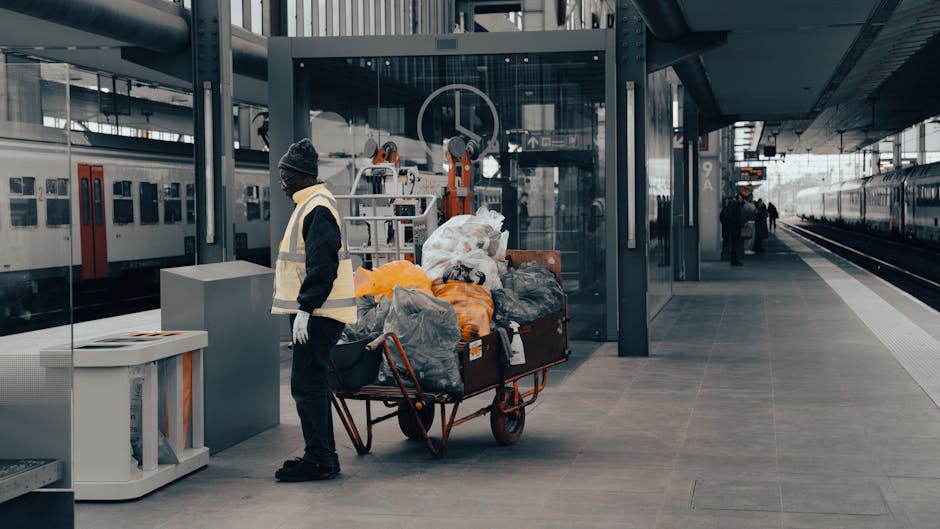
If you are planning a clear-out close to Bermondsey Station, it helps to know what actually happens on collection day. Rubbish collection near Bermondsey Station what to expect is not just about a van turning up and taking things away. In practice, it can involve access checks, sorting waste types, timing around traffic, and deciding whether a skip, wait-and-load service, or a man-and-van collection is the better fit. That sounds like a lot, but once you know the process, it becomes much easier to plan. And honestly, that little bit of planning saves a lot of hassle later.
This guide walks you through the local reality: what happens before the collection, what the crew will need from you, how different rubbish removal methods compare, and the mistakes people in busy parts of Southwark often make without meaning to. If you want a more general overview of services first, it can also help to look at rubbish removal, domestic skip hire, or wait and load skip hire before you decide.
Why Rubbish collection near Bermondsey Station what to expect Matters
Rubbish collection in a station area has a different feel from collection in a quiet suburban street. Bermondsey is busy, mixed-use, and tightly parked in places. That changes the whole job. Access can be tighter, loading space may be limited, and timing matters more than people expect. If you have ever watched a driver try to reverse carefully while a delivery van, a cyclist, and a pedestrian all arrive at the same moment, you will know the sort of thing we mean. London, eh?
The reason this matters is simple: the more clearly you understand what to expect, the fewer delays and extra charges you are likely to face. A well-planned collection should feel calm and predictable, even if you are clearing a flat, a small office, or building waste from a refurbishment. For some jobs, a standard collection is enough. For others, you may need something more flexible, like grab hire services or man and van collection, especially where access is awkward or the waste is heavy.
Near Bermondsey Station, the biggest practical issues are usually time, access, and disposal type. Not the glamorous part, admittedly, but the part that decides whether the job is smooth or stressful. A good provider will explain these points upfront rather than springing surprises on you later.
How Rubbish collection near Bermondsey Station what to expect Works
Most rubbish collections follow a similar pattern, though the exact method depends on the amount of waste and the space available outside your property. Some customers want a quick one-off uplift from a flat. Others need repeated collections from a renovation project, shop fit-out, or office clearance. The collection method should match the job, not the other way round.
In broad terms, here is what happens.
- You describe the waste. This usually includes the type of rubbish, approximate quantity, access restrictions, and whether anything is bulky, fragile, or restricted.
- You receive a recommendation or quote. Depending on the waste, you may be pointed toward skip hire, wait-and-load, grab hire, or a direct rubbish removal service. If you want to compare pricing and service levels, pricing and quotes is a sensible place to start.
- Collection is scheduled. In a busy area, timings are often arranged to fit road conditions, local access, and your own availability.
- The team arrives and checks access. They will confirm what can be safely collected and whether any items need separating.
- Waste is removed and sorted. Recyclable materials are typically separated where possible. You can read more about the company's approach through recycling and sustainability.
- The area is left tidy. A proper collection should finish with the space reasonably clear, not half-done and dusty around the edges.
If the rubbish is straightforward, the whole process can be surprisingly quick. If it includes mixed loads, awkward items, or access issues, the job may take a little longer. That is normal. Better to allow a bit of breathing room than to rush it. Rushing tends to create mistakes, and rubbish is not the place for improv, really.
What happens on arrival
On collection day, the crew will usually check the load, confirm the access route, and decide the safest way to move items. If you have sorted the waste neatly, that part is easy. If everything is piled together in a narrow hallway or on a top floor with no lift, expect a slower process. That does not mean there is a problem; it just means the job needs careful handling.
In some cases, the provider may suggest a different method if collection by vehicle is not practical. For example, a heavy load from a basement or rear yard may suit wait and load skip hire or a vehicle-based uplift, while a larger renovation project may work better with builders skip hire.
Key Benefits and Practical Advantages
The main benefit of using a local rubbish collection service near Bermondsey Station is convenience. You do not have to fill your own car, make multiple tip runs, or work out where to store waste while you wait for a free weekend. That alone is a relief for many people. But the practical advantages go further than convenience.
- Less disruption: Waste can be removed in one coordinated visit rather than sitting around for days.
- Better access to the right method: A good provider can guide you toward a collection that suits your street, yard, or building layout.
- Safer lifting: Heavy furniture, bagged waste, or awkward items can be handled more safely than a DIY move.
- More control over timing: Especially useful near transport links, where traffic and loading windows can matter a lot.
- Cleaner finish: A well-run job reduces the risk of mess left behind in hallways, pavements, or shared spaces.
There is also a mental benefit people often underestimate. Once the rubbish goes, the space feels usable again. A spare room becomes a room again. A shop floor stops looking like a building site. A garden, after a few bags of waste are removed, suddenly looks like it has potential. Small thing, but a big lift.
For larger domestic clearances, you may want to compare services such as house clearance or garage and loft clearance. They are useful when rubbish is part of a bigger clear-out, not just one isolated pile.
Who This Is For and When It Makes Sense
This kind of service suits a wide mix of people. It is not just for building contractors or people stripping out a whole property. In Bermondsey, the most common users are probably a blend of residents, landlords, small businesses, and tradespeople working on compact urban sites.
- Flat owners and renters clearing out old furniture, bags of clutter, or post-move waste.
- Landlords and letting agents needing fast turnaround after a tenancy ends.
- Builders and decorators dealing with rubble, timber, plasterboard, or mixed renovation waste.
- Office managers clearing desks, chairs, confidential papers, and old equipment.
- Shop owners disposing of packaging, display materials, or old fittings.
- Homeowners tackling a one-off declutter, garden refresh, or loft tidy-up.
It makes sense when the waste is too much for ordinary bins, too bulky for a car boot, or too awkward to drag around yourself. It also makes sense when you do not want to spend half a day figuring out logistics. Truth be told, a lot of people simply want the job finished properly, without turning Saturday into a small endurance event.
If your waste is mostly construction-related, it may be worth looking at construction waste disposal or builders waste removal. Those pages are especially relevant where rubble, timber, and mixed site waste are the main issue.
Step-by-Step Guidance
If you want the smoothest possible collection, a bit of prep goes a long way. Here is a practical approach that works well in real life.
- Sort the waste into broad groups. Keep general rubbish, recyclables, bulky items, and any special waste separate if you can.
- Check access early. Measure gates, note stairs, and think about where a vehicle might stop. If parking is tight, mention it before booking.
- Identify restricted items. Things like fridges, electricals, or hazardous materials may need special handling.
- Choose the right service type. A fast uplift, a skip, or a grab lorry each makes sense in different situations.
- Confirm timing. In a station area, traffic and loading windows can influence the best slot.
- Keep the route clear. On the day, make sure the waste is accessible and not blocked by bikes, deliveries, or garden furniture.
- Walk through the load with the crew. A quick conversation at the start saves confusion later.
A useful rule of thumb: if the crew has to guess what is being removed, you are making their job harder than it needs to be. And if the waste is spread across several rooms, it helps to group it before arrival. Even five minutes of sorting can trim the collection time quite a bit.
If you are comparing methods, start with skip hire for longer jobs, grab lorry hire for larger or loose waste, or man and van for smaller loads and flexible uplifts.
Expert Tips for Better Results
Here are the little things that make a collection run smoothly. They are not dramatic, but they matter.
- Take one quick photo of the waste before you book. It helps avoid guesswork and makes quoting easier.
- Be precise about access. "Easy access" means different things to different people. A narrow alley is not easy access.
- Ask about mixed waste. A load containing plaster, timber, packaging, and metal may be handled differently from plain household rubbish.
- Keep damp or loose waste contained. Broken bags and scattered debris slow everything down.
- Plan around neighbours. In shared buildings, a little courtesy with noise and hallway access goes a long way.
- Use the right container for delicate or private waste. If you have documents or sensitive papers, confidential shredding is the safer route.
One thing we see a lot is people underestimating bulky items. A sofa looks manageable until you try to angle it through a narrow stairwell. Same with a fridge. If that sounds familiar, fridge and appliance removal or mattress and sofa disposal can save time and a sore back.
And yes, the crew has probably seen worse. That's comforting, in a weird way.
Common Mistakes to Avoid
Most collection problems are avoidable. They usually come from assumptions rather than bad intent.
- Booking without checking access. Tight streets, shared entrances, and permit issues can change everything.
- Mixing prohibited items into the load. This is the big one. It can delay collection or require a separate disposal route.
- Leaving waste spread out. If items are scattered across a property, the team spends more time moving them to the vehicle.
- Choosing the wrong service type. A skip is not always best, and a man-and-van job is not always enough.
- Forgetting about timing. Afternoon traffic near a station can be a nuisance, to put it mildly.
- Not asking about recycling. You may want to know how your waste will be sorted and handled.
Another mistake is assuming all rubbish is interchangeable. It is not. Garden waste, builder's rubble, confidential materials, appliance waste, and general household items each sit in different practical categories. If you are not sure where something belongs, ask before collection day. It is much easier than trying to fix it at the kerbside.
Tools, Resources and Recommendations
You do not need fancy equipment to prepare for rubbish collection, but a few simple tools make life easier.
- Gloves and sturdy bags: Good for sorting and moving lighter items safely.
- Tape measure: Helpful when checking whether furniture or bulky items can pass through doors or gates.
- Marker pens and labels: Useful if you want to separate keep, recycle, and remove piles.
- Phone camera: Ideal for taking photos before booking or for noting access points.
- Bin bags or tubs: Better than loose heaps, especially in shared hallways.
As for service recommendations, the right choice depends on the job. If you want a straightforward waste uplift, rubbish removal is often the cleanest option. If you are dealing with a building project and expect ongoing debris, builders skip hire or builders waste removal may be more practical.
For a more secure setup, especially on a site or in a shared area, enclosed and lockable skip hire can be worth considering. It is not needed for every job, but for some locations it brings peace of mind. One less thing to worry about.
Law, Compliance, Standards, or Best Practice
Waste collection in the UK sits within a framework of legal and practical responsibilities. You do not need to become an expert overnight, but you do need to know the basics. In plain English: waste should be handled safely, transferred responsibly, and taken to appropriate facilities by a suitable operator.
Best practice usually includes:
- checking that waste is classified correctly before collection;
- separating recyclable materials where practical;
- keeping hazardous items away from general waste;
- making sure collection vehicles can operate safely on-site;
- using responsible carriers and clear paperwork where needed.
If your project involves rubble, mixed construction waste, or demolition materials, it is sensible to look at construction waste clearance or demolition waste removal. If the waste is potentially harmful, then hazardous waste disposal should be discussed from the start rather than treated as an afterthought.
There is also a simple customer-side duty of care: describe the load honestly. If you say it is mostly household waste but it includes plasterboard, solvents, or electricals, that creates a problem for everyone. Clear information is the safest route, and it is usually the cheapest route too. Funny how that works.
Options, Methods, or Comparison Table
People often ask which option is best. The truth is that it depends on waste volume, access, speed, and whether you need the waste gone immediately or can leave it on site for a while.
| Method | Best for | Advantages | Things to watch |
|---|---|---|---|
| Rubbish removal | General household or mixed light waste | Flexible, quick, minimal fuss | May not suit very large or heavy loads |
| Skip hire | Longer projects, ongoing clear-outs, building work | Good for volume and convenience | Needs space and sometimes a permit |
| Wait and load | Areas with limited space or no room for a skip | No skip left on the street, fast turnaround | Needs the load ready to go |
| Grab hire | Loose, bulky, or heavy waste piles | Efficient for large volumes, useful on sites | Access for the grab vehicle is important |
| Man and van | Smaller collections, flats, and flexible uplifts | Handy for awkward items and quick jobs | Less ideal for major demolition loads |
If you are unsure, ask for a recommendation based on the actual rubbish rather than the name of the service. That sounds obvious, but people skip this step all the time. Then wonder why the first quote does not fit the job. Easy mistake, though.
Case Study or Real-World Example
Here is a realistic example. A couple living near Bermondsey Station decided to clear a one-bedroom flat before a move. The job included broken boxes, two old wardrobes, a mattress, some bagged clutter, and a handful of small electrical items. They initially thought a skip might be easiest, but the street was tight and parking was already limited. Not ideal.
After a quick discussion, they chose a collection method that suited the access better. They sorted the waste by room, kept the hallway clear, and flagged the mattress and appliance items separately. On collection day, the team arrived, loaded everything efficiently, and left the entrance tidy. The whole thing took less time than they expected. That was the surprise, really. Not magic. Just decent planning.
The important part is that they did not try to force the wrong solution. They looked at the street, the size of the load, and the need for a quick exit. That is the kind of practical thinking that makes rubbish collection feel easy instead of annoying.
Practical Checklist
Use this checklist before your collection:
- Sort waste into general, bulky, recyclable, and special items.
- Measure access points if you are removing furniture or large items.
- Check whether parking or loading space will be available.
- Tell the provider about stairs, lifts, rear access, or narrow entrances.
- Separate hazardous, confidential, or restricted waste.
- Confirm the collection time and make sure someone is available.
- Keep the collection route clear on the day.
- Ask how the waste will be handled or recycled.
- Review any site-specific rules if you are in a managed building.
- Have a backup plan if access changes at the last minute.
Expert summary: the best rubbish collection near Bermondsey Station is the one that matches your access, waste type, and timing. Get those three things right, and the rest becomes much simpler.
Get a free quote today and see how much you can save.
Conclusion
So, what should you expect from rubbish collection near Bermondsey Station? Clear communication, a practical plan, a bit of access awareness, and a service that fits the street rather than fighting it. If you prepare the waste, describe it accurately, and choose the right collection method, the process is usually smoother than people imagine. Not perfect, perhaps. But smooth enough to take the sting out of the job.
The key thing is not to leave decisions until the last minute. A few sensible checks now will save you time, money, and a fair amount of head-scratching later. And once the rubbish is gone, the whole space tends to feel lighter. That is a good feeling, no two ways about it.
Frequently Asked Questions
What happens on the day of rubbish collection near Bermondsey Station?
The crew normally confirms the load, checks access, and removes the waste safely. If items are sorted and easy to reach, the job is usually straightforward.
Do I need to be at home for collection?
In many cases, yes, especially if the team needs access through a building or wants you to confirm which items are going. Some arrangements may be possible without you there, but that should be agreed in advance.
Is rubbish collection better than skip hire for a flat near Bermondsey Station?
Often, yes, if you have limited space, no permit-friendly parking, or only a modest amount of waste. For larger or ongoing projects, skip hire may still be the better choice.
What items cannot usually go with general rubbish?
Hazardous materials, some electrical items, and certain bulky items may need separate handling. If in doubt, ask before collection rather than guessing.
How should I prepare bulky furniture for collection?
Clear a route, remove loose contents, and check whether the item can be moved through doors and stairwells. If it is too awkward, specialist disposal may be the safer option.
Can I book a same-day uplift?
Sometimes, yes. Availability depends on the day, the amount of waste, and the local schedule. A same-day option can be useful when timing is tight.
What is the difference between wait and load and rubbish removal?
Wait and load usually means a vehicle or skip arrives, the waste is loaded quickly, and nothing is left on site. Rubbish removal is a broader term that can cover a few different collection styles.
Will my waste be recycled?
Where possible, recyclable materials are separated and sent for processing. The exact handling depends on the waste type, but responsible sorting is part of good practice.
Do I need a permit for rubbish collection?
Usually not for direct rubbish removal, but permits can matter for skips placed on public roads. If you are unsure, ask about skip permits or skip hire permits.
What if I have confidential papers mixed in with the waste?
Keep them separate and use a dedicated service such as confidential shredding. It is a small extra step that protects privacy properly.
Are there good options for construction waste near Bermondsey Station?
Yes. Depending on access and volume, you may want builders skip hire, construction waste disposal, or construction waste clearance.
How do I choose the right service if I am not sure what I need?
Start with the waste type, the amount, and the access. Then ask for a recommendation rather than guessing. That usually points you toward the simplest and most cost-effective option.
Who should I contact if I want to discuss a specific collection?
If you want to talk through the details, use the company's contact page and explain the waste, access, and timing in one go. A clear first message saves time for everyone.
What if I want to know more about the company before booking?
You can read more about the team on the about us page and review practical details such as payment and security before making a decision.